
Gallery 1337 is our flagship gallery at the heart of Art Works Downtown. Facing Fourth Street and serving as the main entrance, Gallery 1337 showcases an ever-changing mix of traditional, contemporary, and cutting-edge art by a diversity of Bay Area artists. Visitors encounter dynamic group shows, high-concept exhibits, and thought-provoking themes that reflect the pulse of today’s art scene.
Upcoming Exhibits
August 7—September 26, 2026: (3 words)
October 2–November 14, 2026: Numina
November 23, 2026—January 24, 2027: Jenny Sampson: Skaters
Gallery 1337
(3 words): an art game of telephone
August 7—September 26, 2026: Exhibition Dates
August 14 + September 11: Reception & 2nd Friday Art Walk
August 22, 1pm : Art Talk
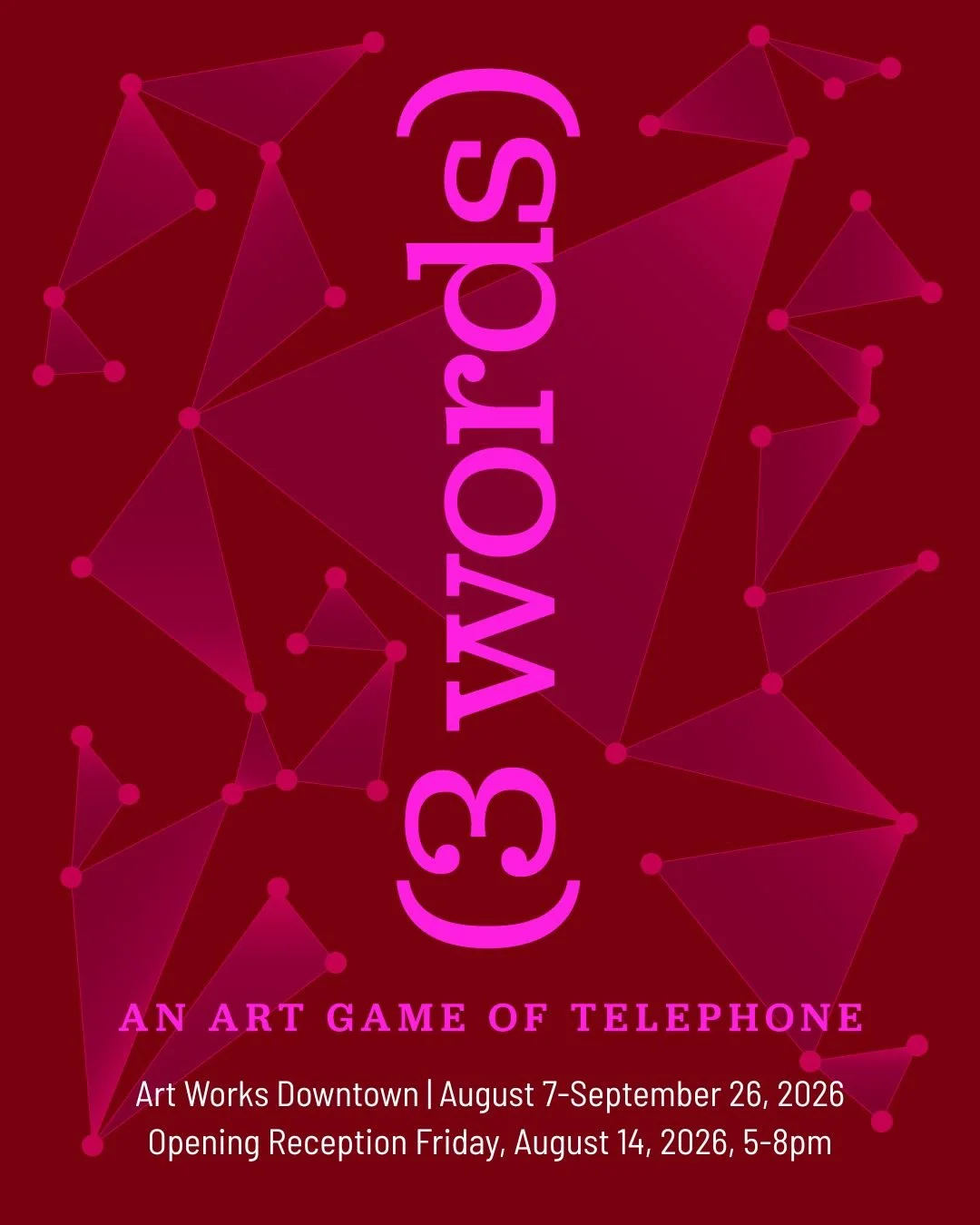
Featuring an expanding network of Bay Area artists, (3 words)is a visual and verbal art game in which the exhibition theme mutates playfully over the course of the show. An artist chooses one work of art and describes it to another artist in just 3 words. Using those words as a prompt, the second artist chooses a work of their own to exhibit, then shares 3 words about that piece to a third artist. And so on, until the gallery is filled.
Will artworks added later in the game retain traces of the original theme, or will they forge into entirely new territory? We’ll follow the threads and find out.
Artists:
Lauren Bartone, Holly Bobisuthi, Anne Capron, Jean Capron, Lana Capron, Mabbie Dumn, Tanya Gill, [grease], Jada Haynes, Tianzong Jiang, Ella Rose Ledyard, Julia Ledyard, Martin Ledyard, Nichol Markowitz, Phil McGaughy, Joshua Moreno, Lucía Nava Moreno, Eleanor Scholz O’Leary, Sun Park, Matt Reynolds, Saint, Naomi Alessandra Schultz, Lela Shields, Carroll Swenson-Roberts, Rebecca Szeto, Emily Tarner, Chelsea América Torres, Eleanor Trombla, Whitney Vangrin, Margot Vaughan, Catherine Wang McMahon, and Hayoung Yun
Curator: Naomi Alessandra Schultz
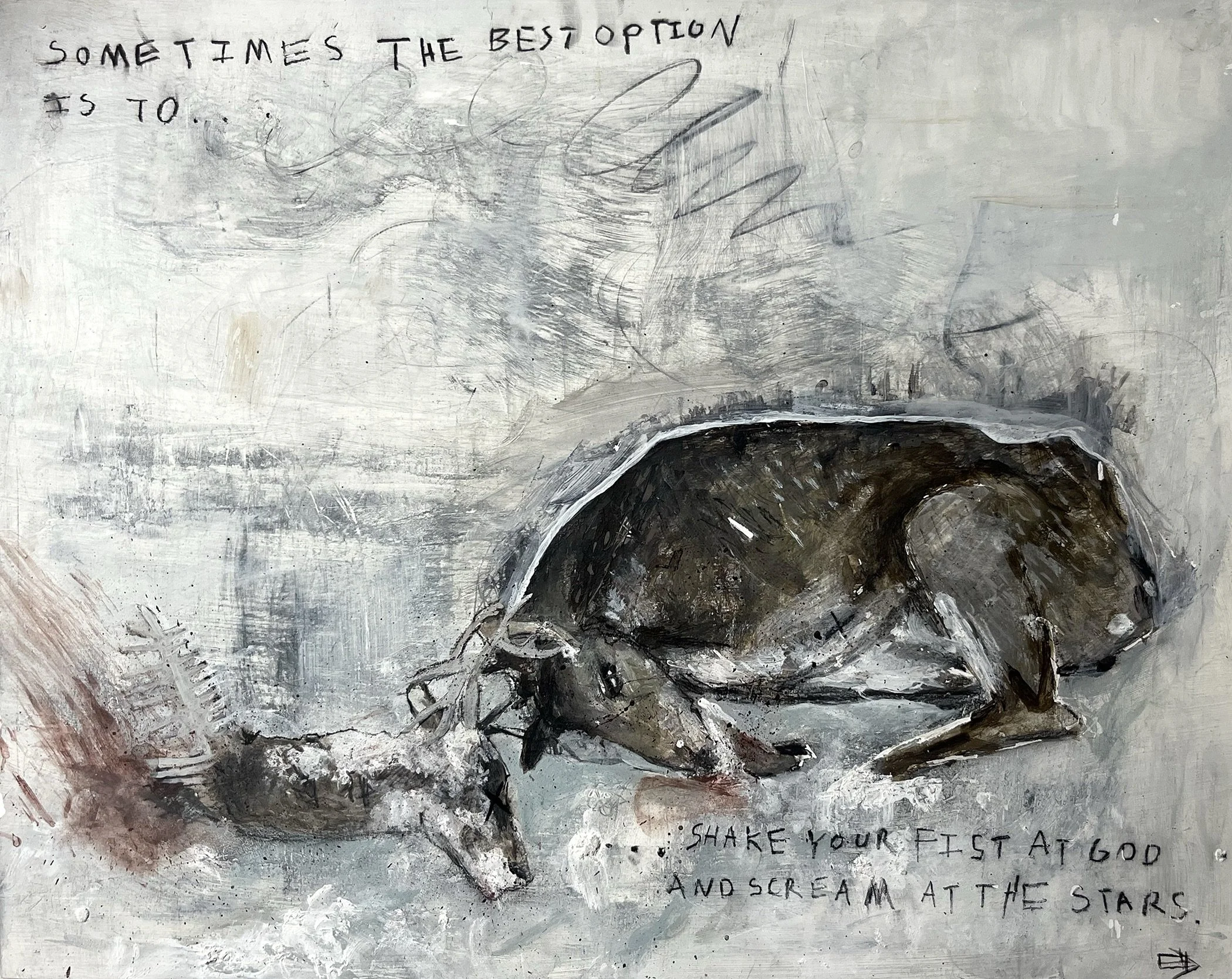
Ella Rose Ledyard
next best option, 2022, mixed media, 11" x 14"
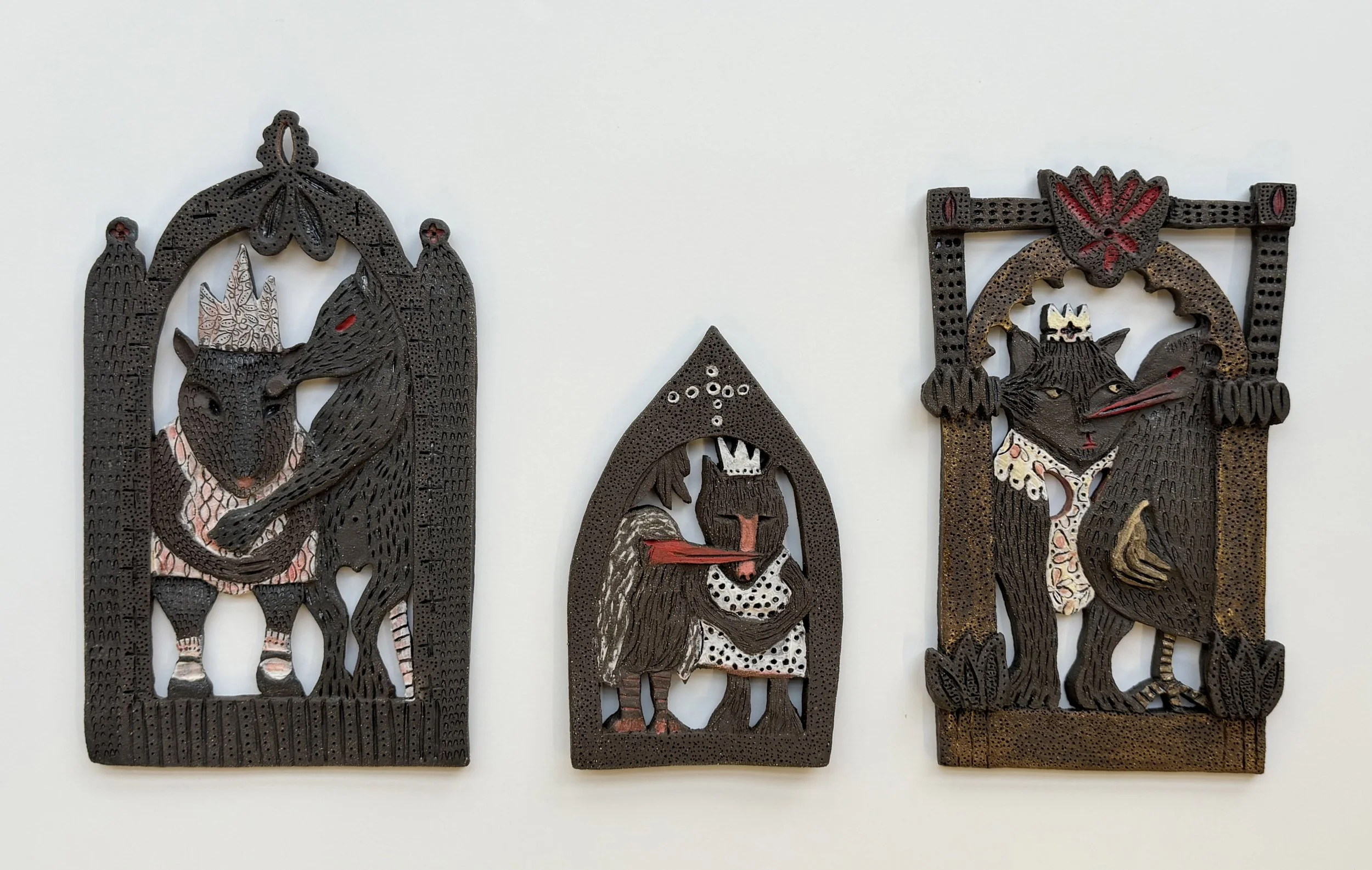
Julia Ledyard
Adoration of Strangers (triptych), 2026, ceramic, 10" x 18" x 0.25"
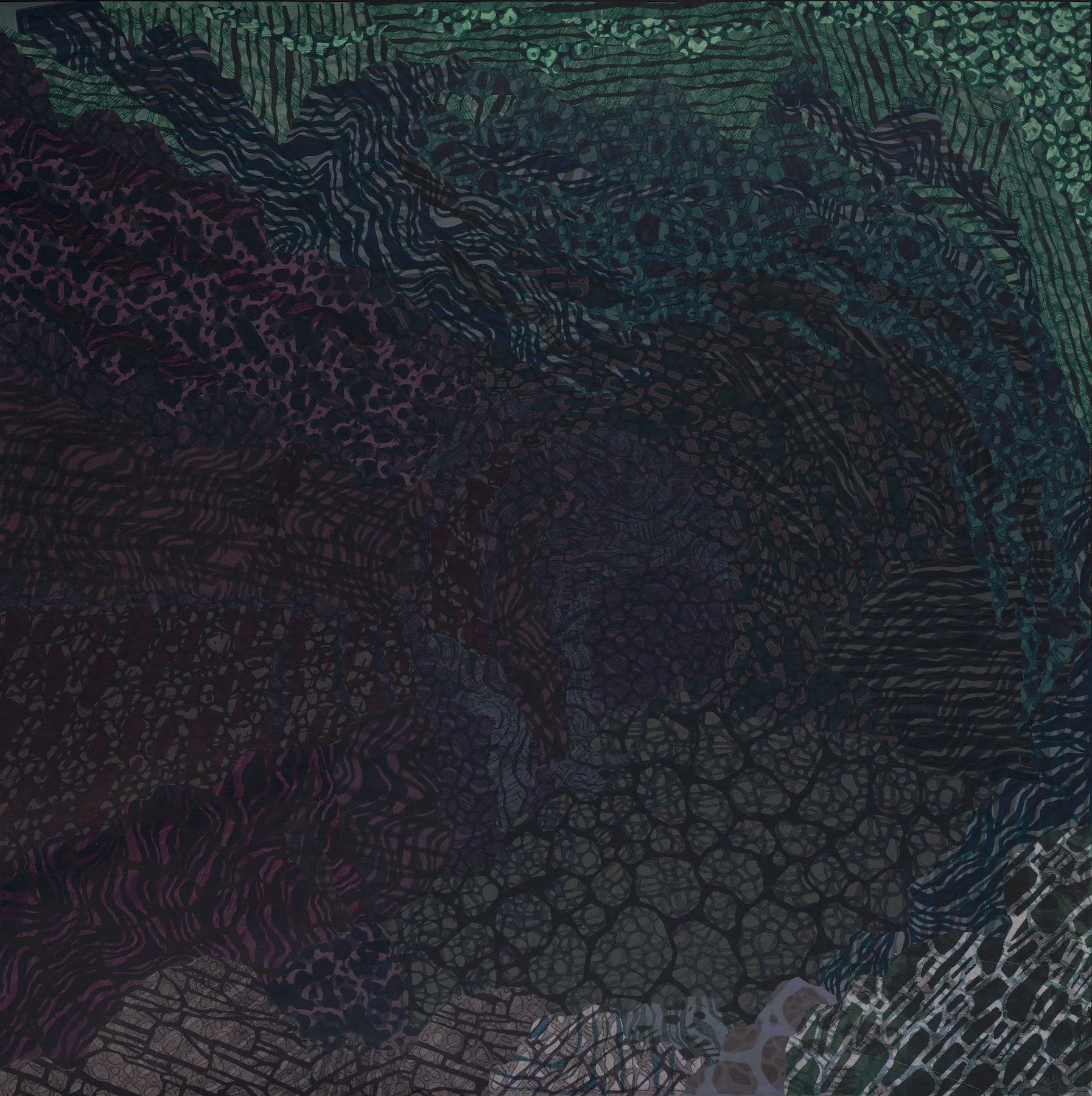
Nichol Markowitz
Nigredo, 2024, monoprint collage on dyed kozo paper, backed with Sekishu paper, 42" x 42"
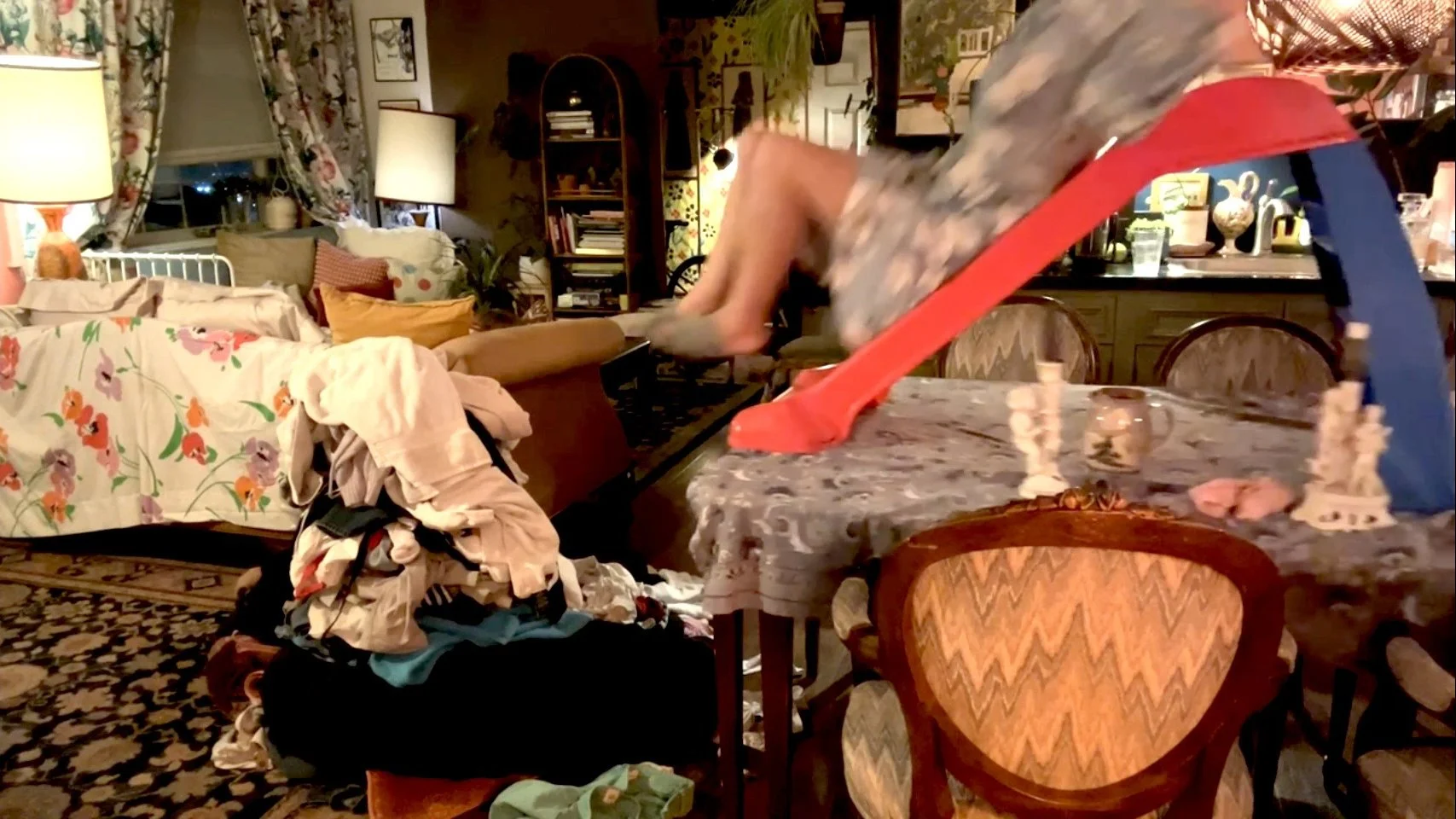
Chelsea América Torres
Funhouse, 2026, video installation, 13" x 23"
Curator Statement
“Surrealist games and procedures are intended to free words and images from the constraints of rational and discursive order, substituting chance and indeterminacy for premeditation and deliberation.”
—Mel Gooding, A Book of Surrealist Games
“Call all you want, but there’s no one home
And you’re not gonna reach my telephone.”
—Lady Gaga
(3 words) follows a long tradition of art games and spontaneous activities intended to bring the unexpected—what the Surrealists called “objective chance” or “the certainty of hazard”—into the creative experience. A dynamic interplay between words, images, and meaning is fundamental to the formulation and interpretation of fresh ideas. Through language, image creation, and material exploration, emergent abstract concepts may take root and become profoundly real. And vice-versa: powerful works of art and writing have the capacity to give rise to entirely new ideas or ways of looking at things.
Modeled on the children’s game of telephone, in which a message morphs in unanticipated ways over the course of a human transmission chain, (3 words) was created in order to discover what happens when artists are invited to transform the energy of an exhibition in real time through their own word and image choices.
A sense of playfulness and collaborative, impromptu meaning-making breathes life into community and collective artistic practice, and the artists of (3 words) embrace that ethos. Holding the process lightly and letting their work and imagination lead the way, they map out new and unexpected pathways of language, art, and meaning. And—lucky us! We get to play along.
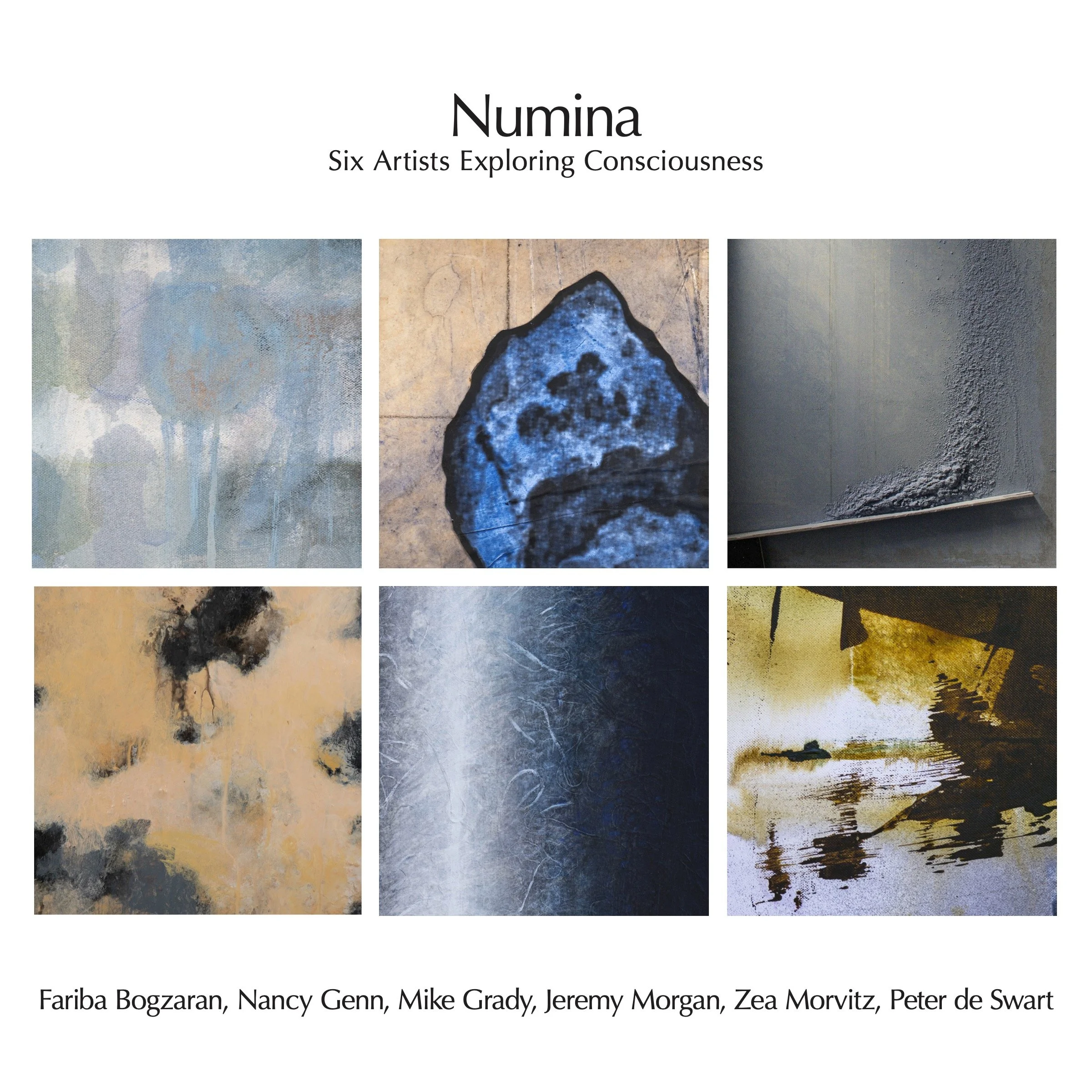
Numina
Six Artists Exploring Consciousness
October 2–November 14, 2026
Exhibition Dates
October 9 + November 13, 5–8pm
Reception & 2nd Friday Art Walk
Artists:
Fariba Bogzaran, Nancy Genn, Mike Grady, Jeremy Morgan, Zea Morvitz, Peter de Swart
Curator:
Fariba Bogzaran, cofounder, Lucid Art Foundation.
In collaboration with the Lucid Art Foundation
Curatorial Statement
This exhibition presents art as a way of knowing. Entering the unknown territories of consciousness and inner spaces, requires multiple approaches. Science and art offer different, yet complementary, ways of exploring phenomena. The quantitative methods of science and the qualitative inquiries of artistic practice illuminate experience from different directions. Art contributes to this broader understanding through its capacity to reveal and communicate dimensions that might otherwise remain unseen or invisible.
Art is a form of inquiry that creates an intersubjective encounter between the artwork and the viewer. A work of art is not merely an illustration of knowledge acquired elsewhere; it can itself become a site of discovery.
The unveiling of inner space likewise calls for a multiplicity of approaches. In this exhibition, each artist enters this world through a distinct visual language, revealing dimensions of inner and outer experience through abstraction, automatism, alchemy, nature, light, and energy.
The artworks themselves become portals. Some invite contemplation and sustained attention; others seize us immediately. Each offers a different threshold between the known and the unknown.
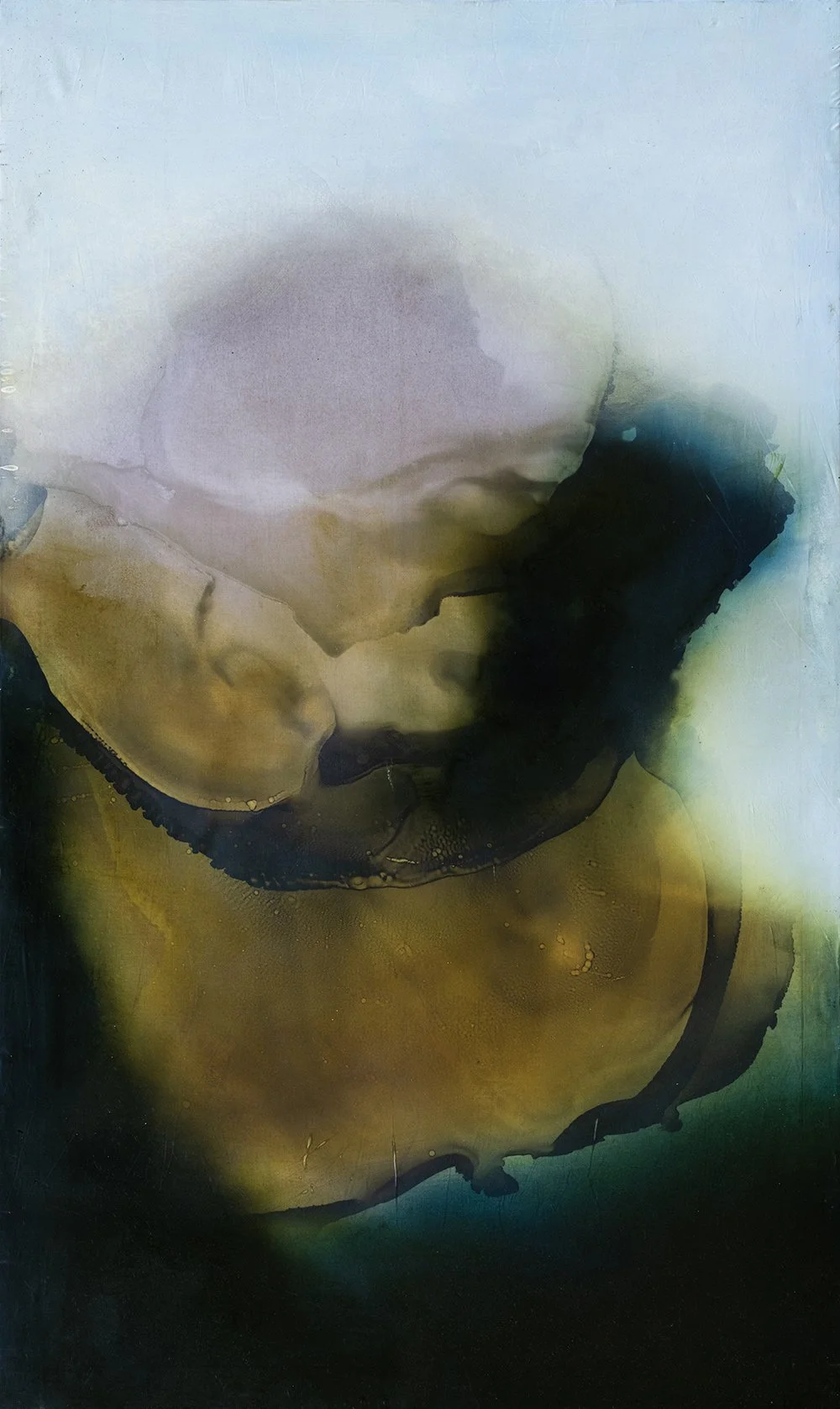
Jeremy Morgan
Within the Embrace of Time, 2023, acrylic on digital (original) on silk over canvas, 63 ¾” x 38”
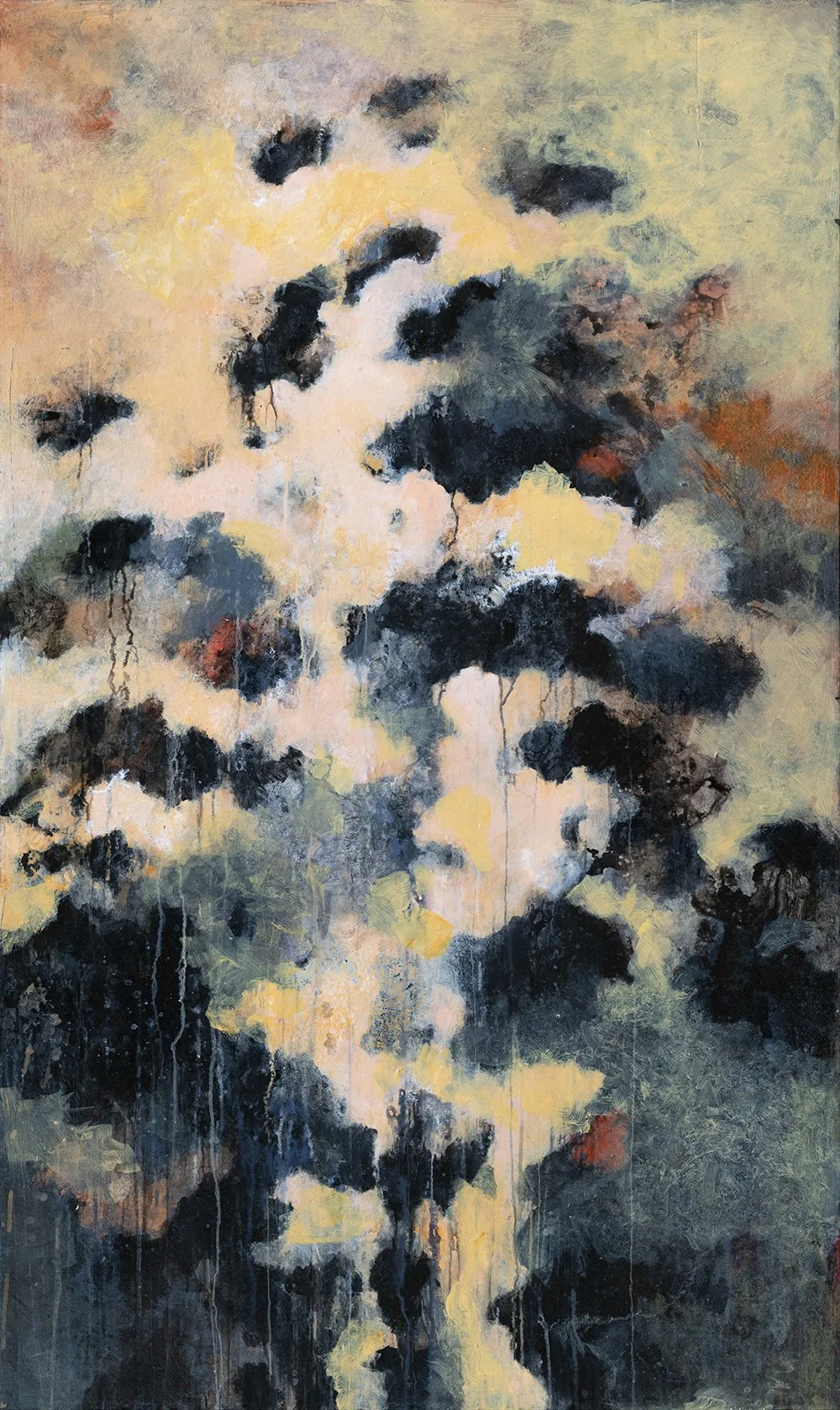
Mike Grady
Eventide, 2000, acrylic on canvas, 72” x 36” x 1 ½”
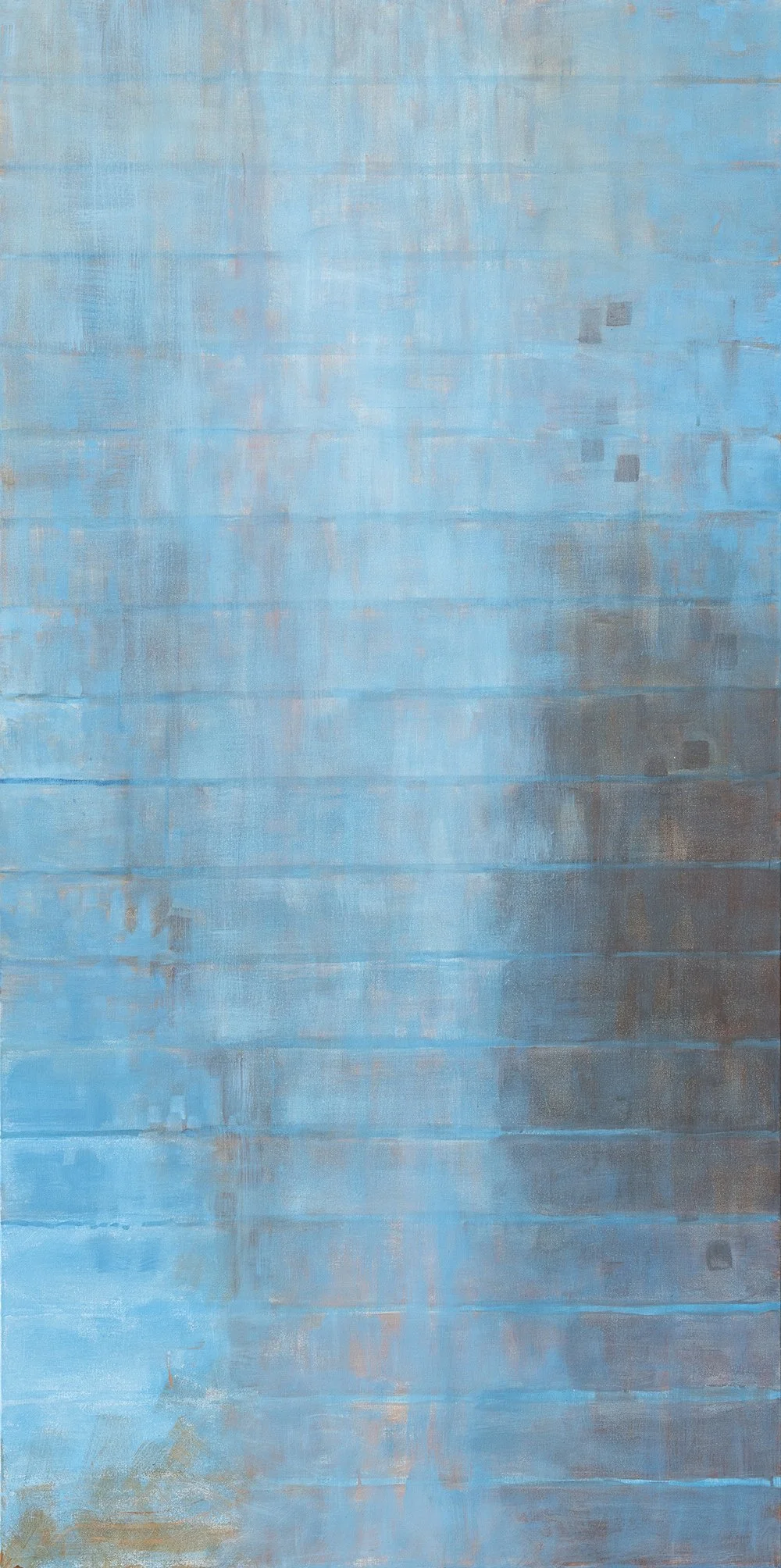
Nancy Genn
Patagonia, 2024, casein on canvas, 72” x 36” x 1 ½”
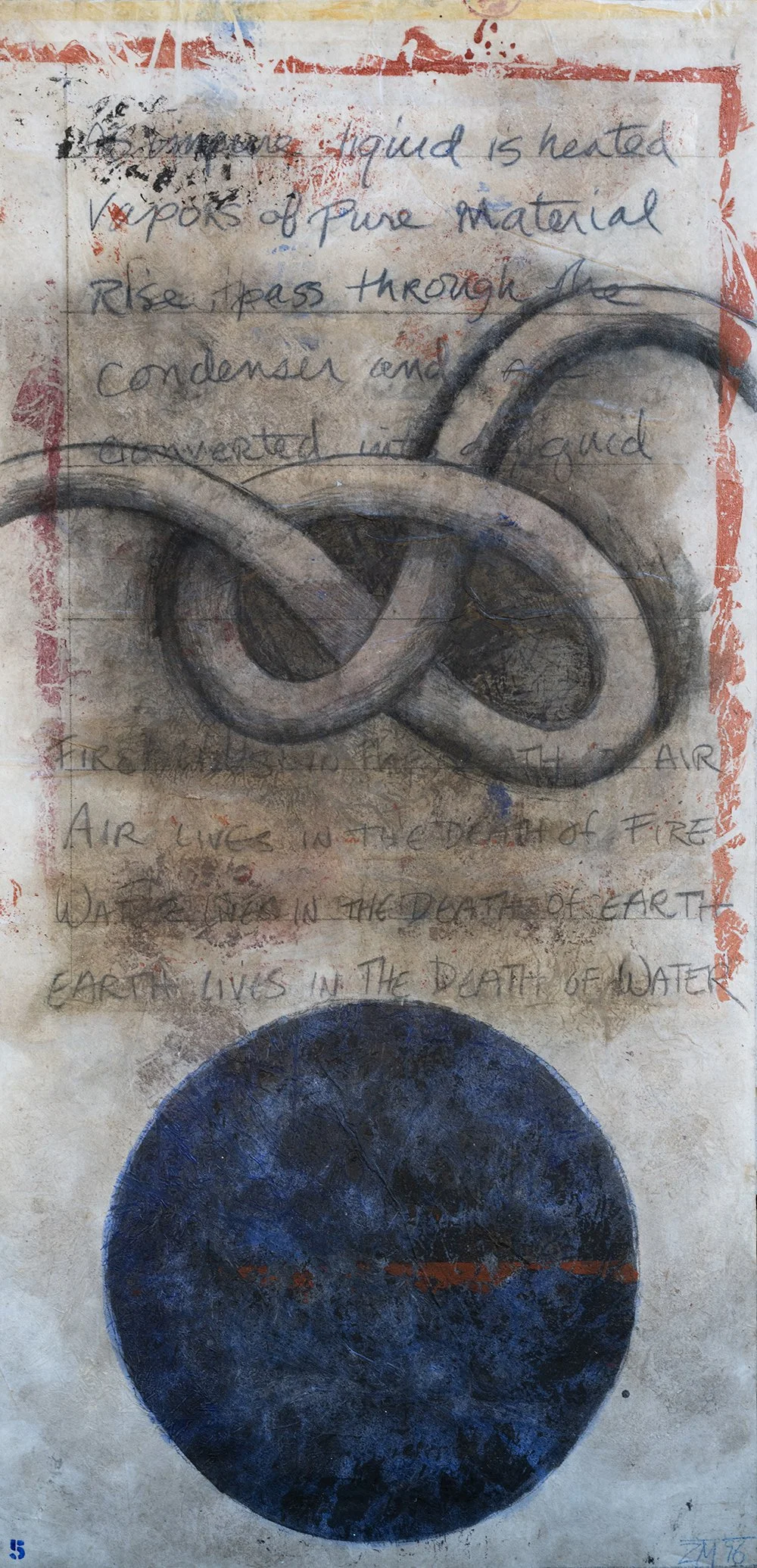
Zea Morvitz
Pure Material, 1996, acrylic and mixed media on remay, 82” x 40”
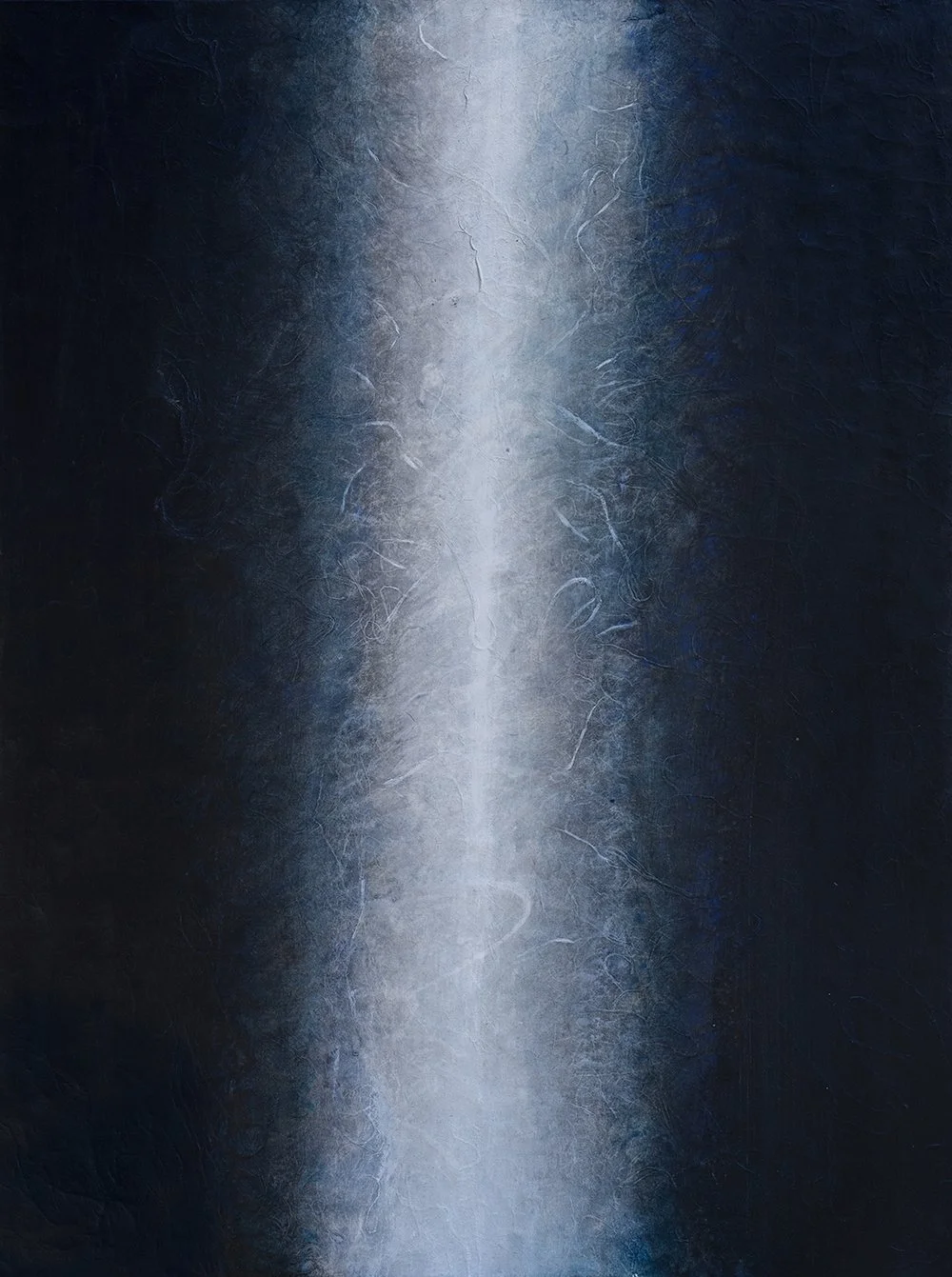
Fariba Bogzaran
Uma #19, 2024, acrylic on mulberry paper on canvas, 24” x 18”
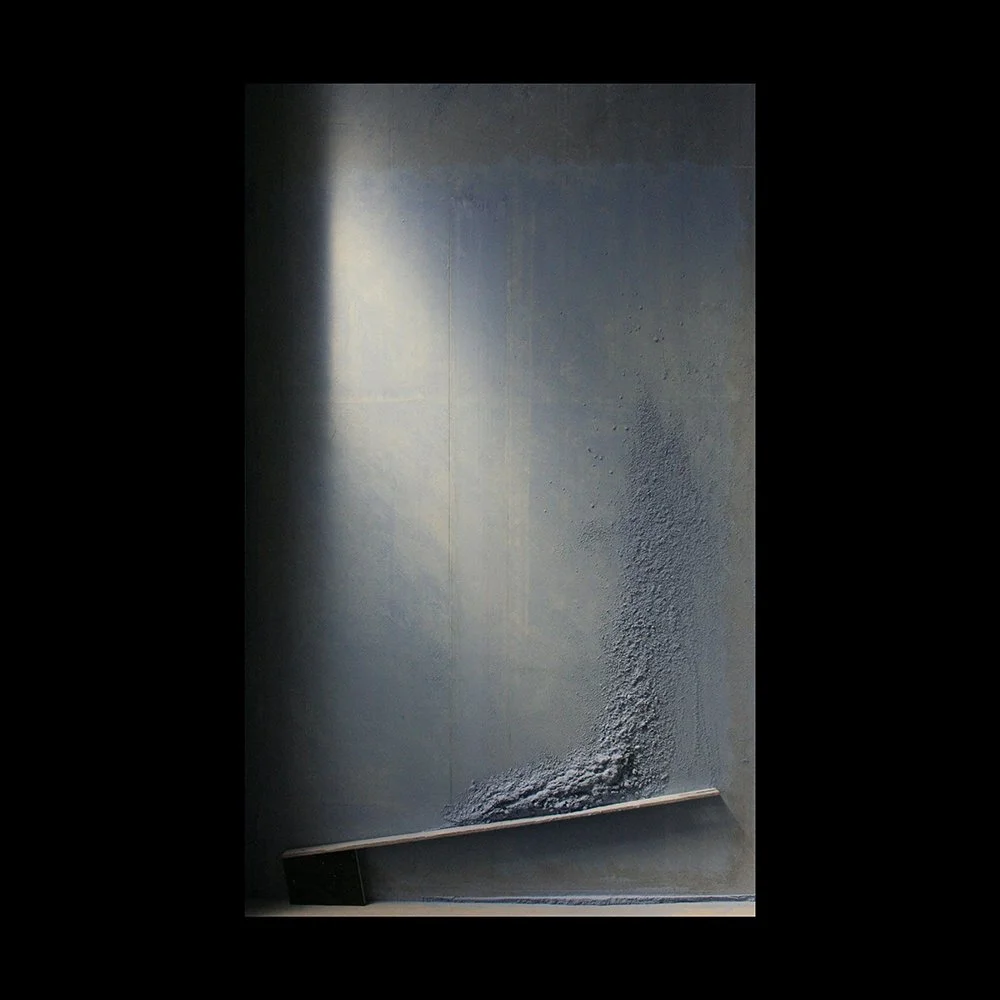
Peter de Swart
Sweeping, 2018, limited edition print on paper, 23 ½ “ x 16 ½”
The Exhibition
I was invited to curate this exhibition exploring the relationship between art and consciousness and to participate as one of the exhibiting artists. Given the breadth and depth of this subject, Numina offers only a glimpse into the long and sustained explorations represented here. This exhibition creates a constellation of artworks rather than a comprehensive survey.
Intentionally, I chose artists in the later stages of their careers. For decades, they have pursued questions concerning art, consciousness, and the unknown. Their work reflects sustained inquiry into inner experience and its relationship to the world around us.
The Artists
Three artists in this exhibition—Mike Grady, Jeremy Morgan, and myself—were professors in the Department of Arts and Consciousness at JFK University in Berkeley, California. Our practices were shaped by Western art traditions as well as Asian philosophy and aesthetics. Grady and Morgan were both inspired by J. M. W. Turner, while my own work was influenced by the surrealists, particularly Giorgio de Chirico, and, more profoundly, my experiences of lucid dreaming and hypnagogia.
For Grady, art, meditation, and yoga are inseparable, joined in a single state of awareness. Morgan's paintings seek to register “the magic, the mystery, the beauty and the enigmatic nature of being,” reflecting his understanding of consciousness as that which connects us indivisibly to nature. All three of us have engaged, in different ways, with Buddhist and Taoist philosophies and practices, yet each approaches consciousness through a distinct artistic language and practice.
Nancy Genn's paintings immediately resonated with qualities central to this exhibition: meditation, abstraction, and an openness to experience beyond representation. Her lifelong dedication to painting and her affinity with the work of Mark Tobey offer another path into these territories. Exhibiting her work since 1947, Genn brings to this exhibition a remarkable lifetime of sustained artistic exploration.
Zea Morvitz and I have been part of the Bishop Pine Preserve artist community in Inverness, California, for three decades—a lineage connected to the writer Jacqueline Johnson and the artists Gordon Onslow Ford, J. B. Blunk, and John Anderson. While alchemy may be an implicit influence in the work of some of our works, it enters Morvitz's work explicitly. Her visual language transforms elements of nature into living presences, where transformation becomes both a material and a psychic process.
Peter de Swart's work creates a threshold between what he calls “presence and absence.” His work invites us into the space between the visible and the invisible. Working across sculpture, painting, and multimedia installation, he creates environments that evoke the contemporary, the sublime, and the otherworldly. The opening verse of the Tao Te Ching reminds us that what can be named or spoken is not the eternal Tao. De Swart similarly observes that “what is not said is as important as what is said; language is steeped in silence.”
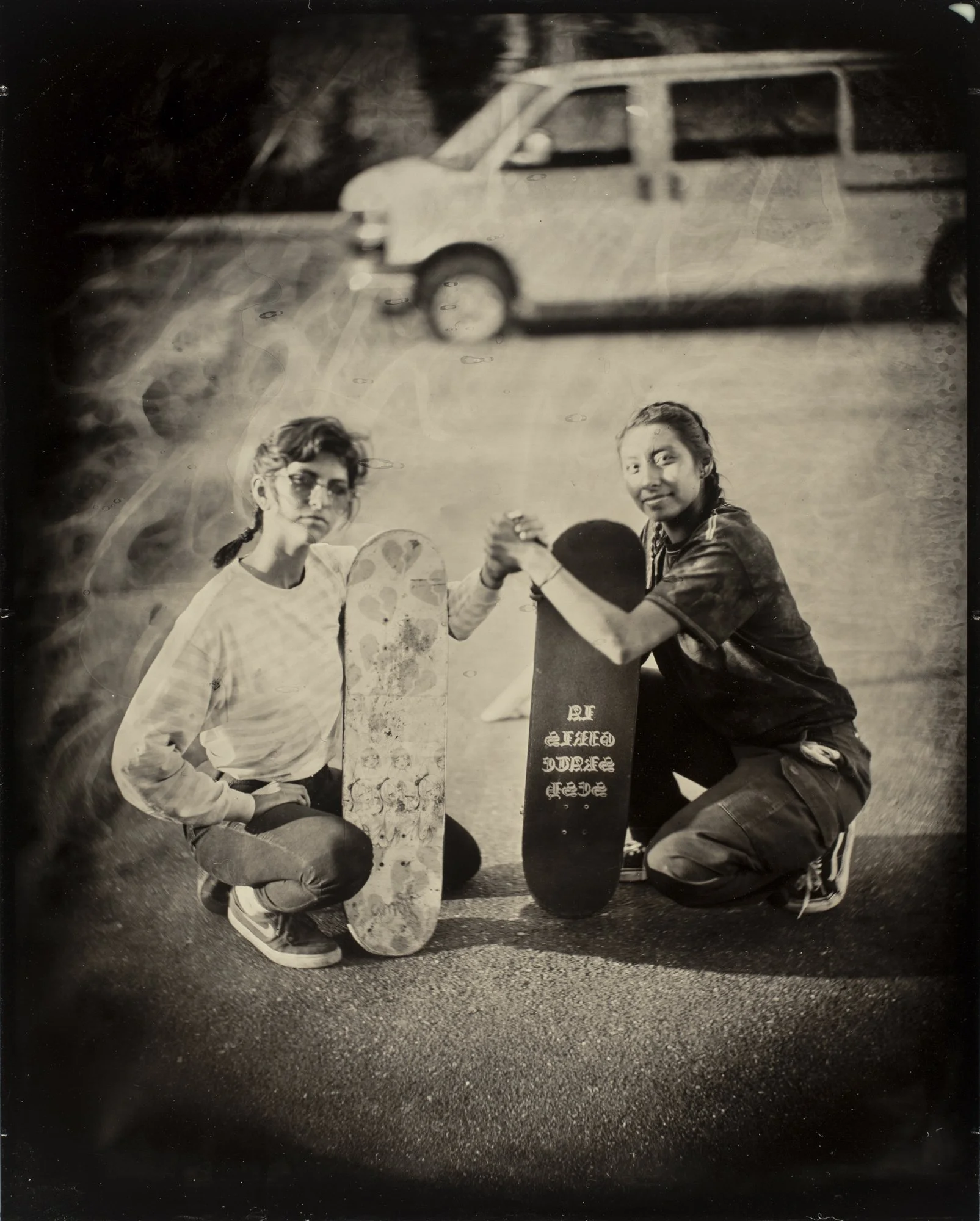
Jenny Sampson: Skaters
jazzmen and nathalie, seattle © Jenny Sampson, 2026